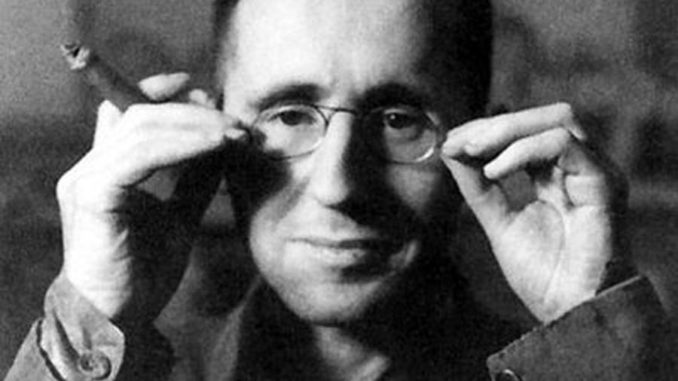
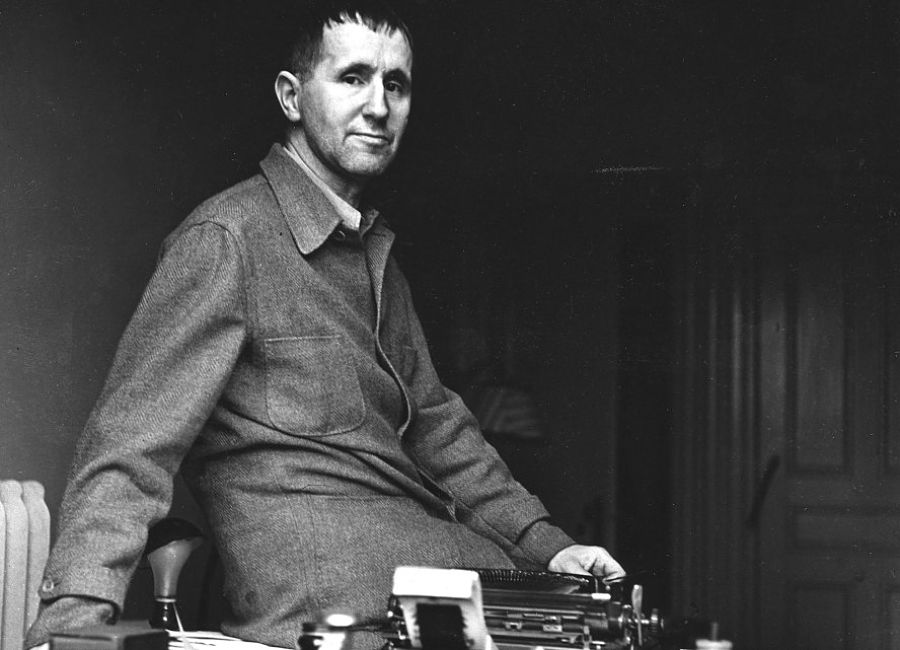
Perjalanan Hidup Begawan Teater Bertolt Brecht – Bagi Brecht, teater adalah forum debat di atas panggung ketimbang sebagai tempat ilusi.
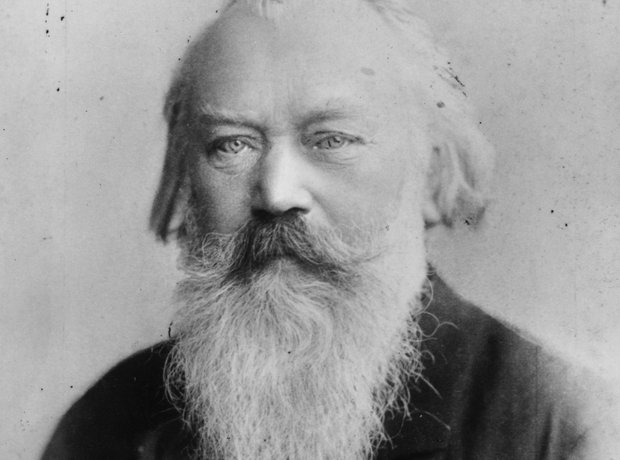
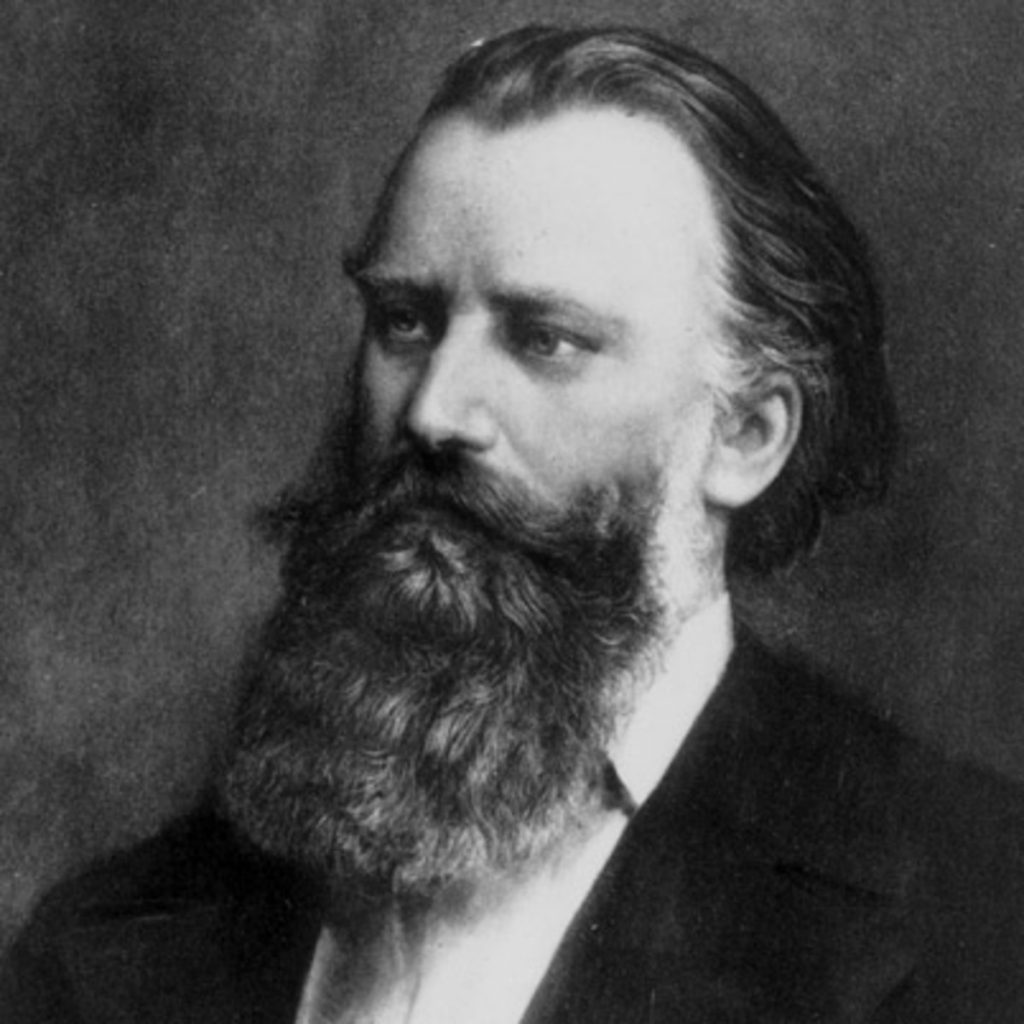
Tepat pada tanggal 4 Agustus 2019, penyair dan dramawan terkemuka Bertolt Brecht meninggal dunia 63 tahun silam. Teaterawan dan pembaharu asal Jerman tersebut adalah salah seorang tokoh garda depan dalam teater dunia abad ke-20.
Lewat karya-karyanya Brecht lebih mendorong penonton untuk berpikir ketimbang terlibat dalam cerita dan mengidentifikasi karakter dalam sebuah lakon lewat efek alienasi-nya. slot indonesia
Kehidupan Awal
Eugen Bertold Brecht lahir pada 10 Pebruari 1898 di Augsburg. Ayahnya, seorang Katolik, adalah direktur perusahaan koran, sedangkan ibunya, seorang Protestan, adalah putri dari seorang pegawai negeri. Brecht mulai menulis sajak sejak anak-anak dan puisi pertamanya dipublikasikan pada tahun 1914.
Setelah menyelesaikan sekolah dasar dia dikirim ke Königliches Realgymnasium, dan disana dia terkenal sebagai “anak biang kerok”. Pada 1917 Brecht menjadi mahasiswa kedokteran di Ludwig Maximilian University of Munich. Setelah menjadi dokter di dinas militer, dia kembali melanjutkan studinya, tetapi meninggalkan studinya pada 1921. Semasa kerusuhan revolusi Bavaria 1918, Brecht menulis drama pertamanya, Baal, yang dipentaskan pada 1923. Drama ini berkisah tentang kehidupan dan seksualitas, dan meraih sukses besar.
Brecht mulai berhubungan denganKomunisme pada 1919 ketika bergabung dengan Partai Demokratik Sosial Independen. Persahabatannya dengan penulis Lion Feuchtwanger merupakan kontak sastra penting baginya, sebab Feuchtwanger-lah yang mengajarinya tentang disiplin penulisan drama.
Di Jerman Barat dan di Jerman Timur, Brecht menjadi salah satu penyair kontemporer paling terkenal. Ketenarannya hanya bisa dikalahkan oleh Shakespeare, Schiller, dan Goethe.
Brecht lahir dengan nama lengkap Eugen Bertold Brecht pada 10 Februari 1898 di Augsburg. Ayahnya seorang Katolik dan direktur perusahaan koran. Sedangkan ibunya, seorang Protestan, adalah putri seorang pegawai negeri.
Brecht mulai menulis sajak sejak anak-anak. Puisi pertamanya dipublikasikan pada tahun 1914. Ia masih duduk di SMA ketika pusinya yang berisi kritikan dimuat di koran lokal Augsburger Neusten Nachricten.
Dalam sajak itu ia menulis:
“Aku lahir sebagai anak laki-laki, orang-orang kaya termasuk orang tuaku mengikatku dengan kerah baju, begitulah aku dididik; kebiasaan yang selalu dilayani dan diajari cara memerintah.”
“Setelah aku dewasa dan bisa sadar diri, tak tertariik orang-orang sekitarku, tak mau memerintah dan diperintah. Dan aku tinggalkan kelasku, lalu menggabungkan diri dengan rakyat biasa.”
“Dan aku meninggalkan kelasku.” Memang, setelah menyelesaikan sekolah dasar dia akhirnya dikirim ke Königliches Realgymnasium, dan disana Brecht terkenal sebagai anak biang kerok.
Setelah tamat SMA pada 1917 Brecht menjadi mahasiswa kedokteran di Ludwig Maximilian University of Munich. Lulus sebagai dokter ia dinas militer. Brecht bahkan sempat kembali melanjutkan studi, tetapi kemudian meninggalkan pendidikannya pada 1921. Pada 1922 Brecht menikah dengan aktris Marianne Zoff
Semasa kerusuhan revolusi Bavaria 1918, Brecht menulis drama pertamanya, Baal, yang dipentaskan pada 1923. Drama ini berkisah tentang kehidupan dan seksualitas yang akhirnya meraih sukses besar.
Alienasi dan Marxisme
Tahun 1926, Brecht terbakar jiwanya ketika membaca buku dan teori Marxisme hingga akhirnya ia mulai serius mempelajari Das Kapital dan memutuskan untuk menjadi seorang komunis. Dari bacaan inilah drama dan teori-teori teaternya kelak begitu terpaut dengan wacana Marxisme.
Lain dari itu, persahabatannya dengan Lion Feuchtwanger, seorang penulis dan anggota terhormat dari angkatan sastra Jerman pasca PD I merupakan kontak sastra penting baginya, sebab Feuchtwanger-lah yang mengajarinya tentang disiplin penulisan drama.
Karya-karyanya kemudian (sajak dan naskah drama) lebih banyak mengusung tema kemanusiaan dan kritik pada kelas borjuis. Nama Brecht kemudian mulai dikenal di kalangan sastrawan lewat wacana-wacana di dalam karyanya, yakni dialektika.
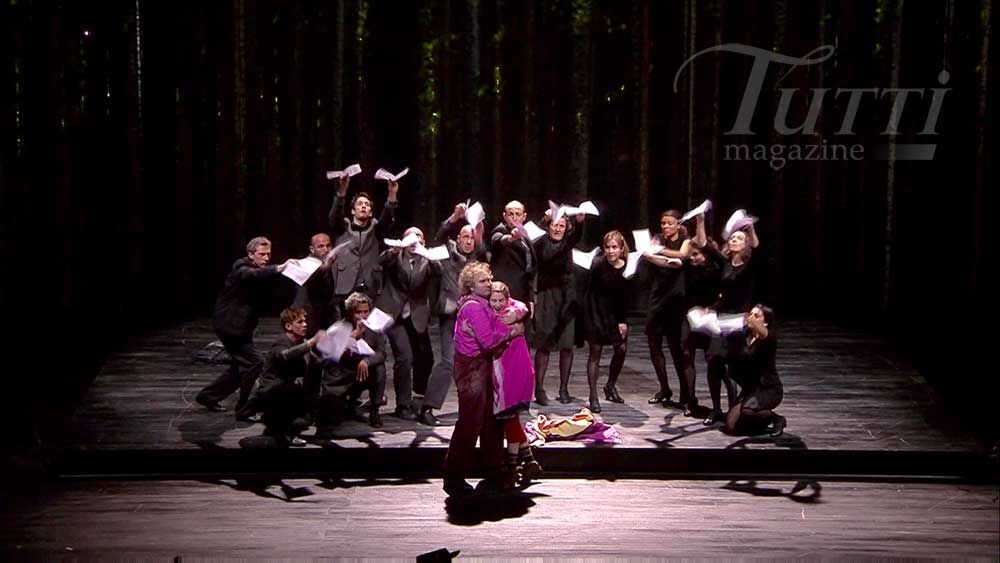
Alih-alih mengajak penonton dalam situasi panggung dengan melibatkan empati dan emosi, Brecht malah menjadikan penonton sebagai pengamat segala peristiwa serta membangkitkan daya kritis penonton terhadap persoalan yang sedang ‘diperbincangkan’ dalam pentas.
Pada tahun yang sama drama Trommeln in der Nacht di pentaskan dan meraih sukses besar. Pada 1924 dia ditunjuk menjadi konsultan di Max Reinhardt’s Dutch Theatre di Berlin. Sekitar 1927 Brecht mulai mempelajari Das Kapital-nya Marx dan menjelang 1929 dia menjadi seorang Komunis. Di Schiffbauerdam Theater dia melatih banyak aktor yang kemudian terkenal, antara lain Oscar Homolka, Peter Lorre dan penyanyi Lotte Lenya.
James Monaco, dikutip dari Cara Menghayati Sebuah Film (Terj. Asrul Sani) menuliskan, berabad-abad lamanya teater Barat dipengaruhi oleh teori Aristoteles tentang tragedi dan tak ada yang mampu mengimbangi teori tersebut. Hingga akhirnya muncul Antonine Artaud dan Berthold Brecht yang menawarkan teori-teori alternatif bagi pertunjukan teater (Monaco, tanpa tahun: 12).
Tahun 1930, karya-karya Brecht baik sajak maupun drama dilarang beredar di Jerman, bahkan beberapa pementasan dramanya digagalkan oleh pihak kepolisian. Hal ini tentu saja berakibat pada proses kreatifnya dan mengalami pengasingan sejak 1933 selama 15 tahun dengan berpindah-pindah negara.
Pengasingan
Pada 1933 Brecht menjadi eksil ke Paris dan kemudian dilanjutkan ke London, Denmark, Swedia, Finlandia, Rusia, USA, dan Switzerland. Sewaktu berada di Denmark pada 1940, Brecht menulis drama berjudul “Herr Puntila und Sein Knecht Matti” atau “Tuan Puntila dan Pembantunya yang Mati”.
Naskah lain yang ditulis dalam pengasingannya antara 1938 sampai 1945 yang terkenal, antara lain, “Leben des Galilei” atau “Kehidupan Galilei” (1938-1939), “Mutter Courage und Ihre Kinder” atau “ Ibu Courage dan Anak-anaknya” (1939), “Der Gute Mensch von Sezuan” (1938-1940,) dan “Der Kaukasiche Kreidekreis” (1944-1945).
Setelah 15 tahun di pengasingan Brecht akhirnya pulang ke Jerman pada 1948. Brecht tidak langsung pulang ke Jerman melainkan tinggal secara ilegal di Switzerland, dimana negeri tersebut merupakan satu-satunya tempat yang menggunakan bahasa Jerman dan tidak diduduki tentara Nazi.
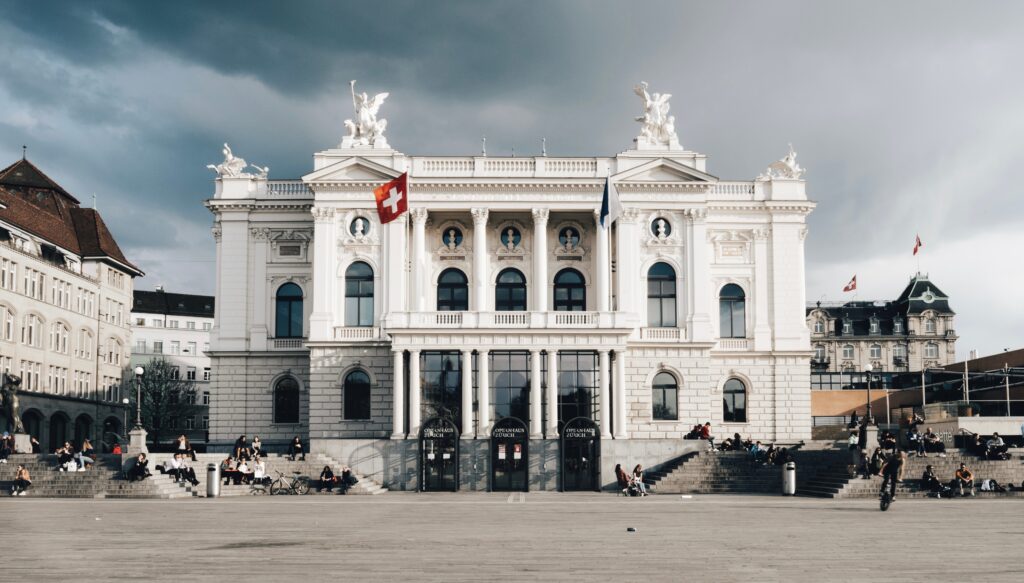
Di Zurich, Brecht sempat pula mementaskan beberapa karya dramanya. Max Frisch, sastrawan Swiss yang menjadi kawan Brecht menganggap Brecht sosok sastrawan klasik baru lewat beberapa karyanya yang dipengaruhi oleh Balzac, Tolstoy, Gorky, dan Hebbel.
Setelah setahun berada di Switzerland karena lingkungannya yang mulai kurang nyaman, Brecht kemudian benar-benar kembali ke Jerman dan menetap di Jerman Timur. Bersama istrinya, Helena Weigel, ia menetap di sana dan mendirikan grup drama Berliner Ensamble.
Selama hidupnya lewat karya-karyanya yang gemilang, di Jerman Timur Brecht di kemudian dianggap sebagai Bapak Penyair Nasional. Karya-karyanya pun sudah diiterjemahkan lebih dari 42 bahasa.
Tahun 2006, dalam acara 50 tahun memperingati kematiannya, tiga negara–Jerman, Austria, dan Switzerland–mengadakan berbagai kegiatan sastra, diskusi, simposium, dan pemutaran film untuk mengenangnya.
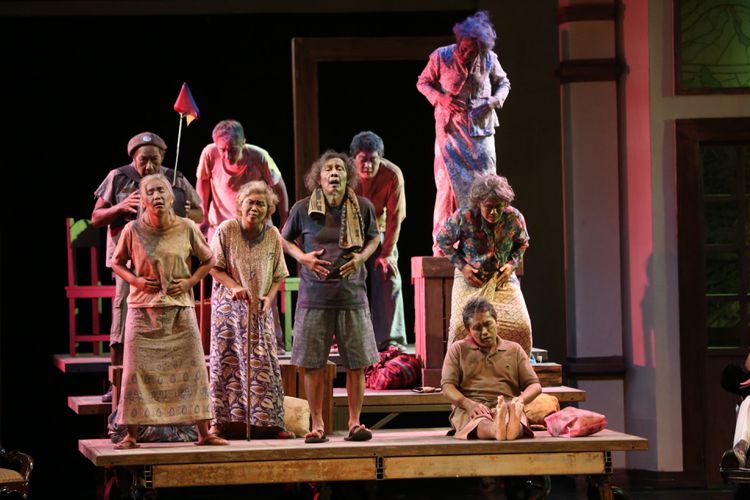
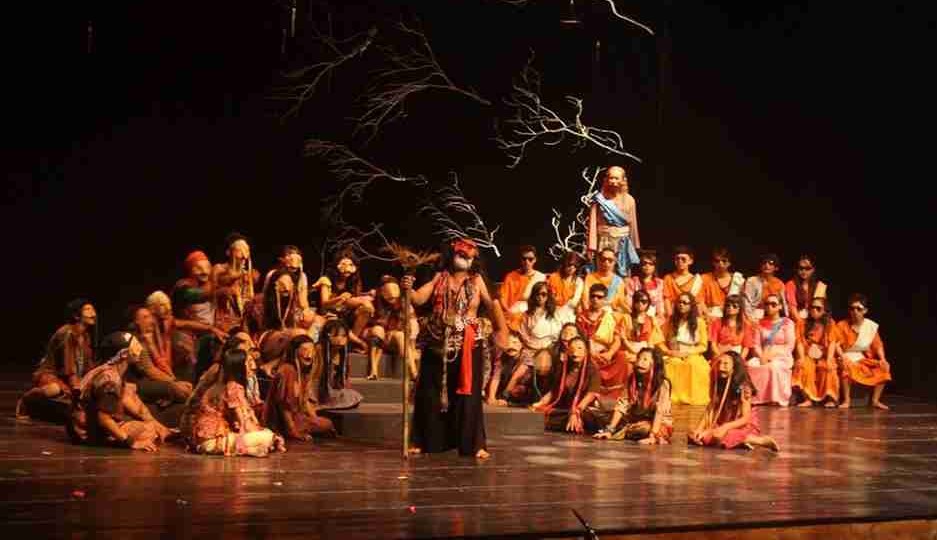
Di Indonesia sendiri, kelompok teater yang sering mementaskan drama-drama karya Brecht adalah Teater Koma. Seperti “Opera Ikan Asin” yang disadur dari karyanya yang berjudul “The Threepenny Opera” pada (1983 dan 2017), dan “Ibu” dari karyanya yang berjudul “Mother Courage and Her Children” pada (2013).